
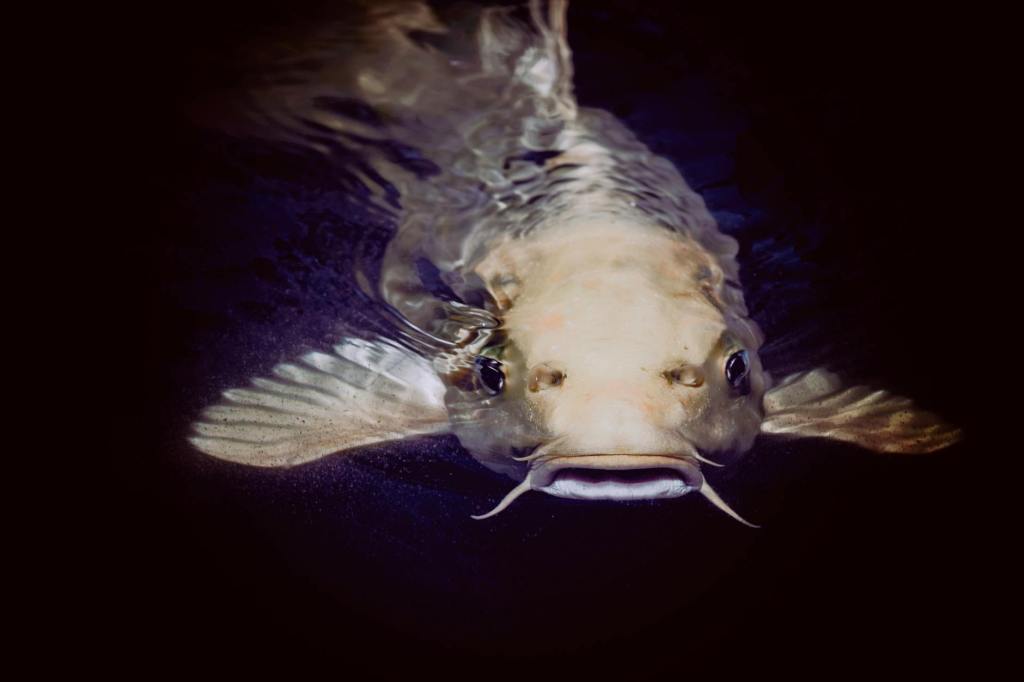
“Do you want to talk about it?”
The words seem harmless, but are carefully crafted. The design is simple – to lure you in. To get you talking about your passions and into a new comfort zone. This is the setup to one of the most interesting scams that I’ve ever come across, BlueSky’s catfishing.
Catfishing itself isn’t a new concept; people are probably most familiar with the concept made famous by host Chris Hanson on Dateline NBC’s To Catch A Predator. BlueSky – Twitter’s less racist younger cousin – has a unique catfish attack vector; preying on inexperienced authors.
Exhibit A: Barbara
Not long after I joined the BlueSky community, I was approached by an account with the name Barbara. At first, Barbara seemed very nice and supportive of my creative outlets, but after a bit of time I noticed she got…pushy. And it all started with an inquiry about my interest in writing.
“Do you want to talk about it?”
She made it known she was in the publishing industry and had asked if I was an author, to which I said ‘no’. After all, I have no books or pieces out (other than this site). She would continue to passively push me with what I thought was encouragement to write. I didn’t think too much of it, I was still new to the community, and thought it nothing more than moral support. Not long after that, her account disappeared and that was that.
Exhibit B: “The Author”
This person approached me claiming to be an actual best selling author, albeit one that I hadn’t heard of. Not that weird, famous people and semi-famous people are on social media too. The weird thing about her was after she replied to a post I had made, her conversations quickly resembled that of Barbara’s.
This “author” struck up a conversation about writing, and was asking me about any projects I was on. Feeling kind of pumped up on her words, I told her about some small pieces I was working on. She was very enthusiastic about it. And very encouraging. And when I think back about it, she was weirdly encouraging.
And here it comes.
“Do you want to talk about it?”
She asked if I had been published yet, to which the answer is no. She asked if I ever planned on it, or wanted to be. Then asked if I had a manuscript. And then a day later, offered to get me in touch with her editor. Red flags.
I started to notice she’d be starting these encouragement chats at 5am central time. The author she was impersonating lives in the Bay Area, west coast USA. That’d be 3am her time. More red flags.
Finally, the email address she provided to her ‘editor’ was a poorly constructed Gmail account. At this point the flags were so red, ink was running down the flag pole.
The Scam
Since my millennial internet Spider Senses were tingling, I came down off my high of these wonderfully emotional crafted conversations and looked into what it takes to actually be published. It’s a bloody long process, in which the author virtually never is in contact with the editor or publishing house (unless a contract already exists). The real process is through a literary agent…things inexperienced authors LIKE MYSELF wouldn’t necessarily know.
I did a search for “AUTHOR PUBLISHING SCAM”, and found what I was looking for. Apparently this is a big thing right now. Scammers will lure hopeful would-be authors into the dream after buttering them up a bit, and then offer contracts through their “connections”. The catch? It’s not real, and they want money up front.
In some cases, they’ll actually steal your work and self publish on Amazon. Yeah, you can do that. It’s actually a great option if you do it yourself, but then the idea is you do that yourself...not through any fake agency. Remember how I mentioned I was asked for a manuscript? They’ll want it, publish it, and take credit and all money that it generates. Jerks.
Frying Catfish
Now that I’d identified the catfish, it was time to yank it out of the pond before it leeched off any more unsuspecting people.
I tracked the account and saw that it was openly targeting multiple people at the same time. BlueSky doesn’t allow direct messaging users unless you follow each other, so most of the interactions were visible posts to anyone on the platform. I quickly reported the account with a brief description of the crime – impersonation and scamming. Less than 10 hours later the account was suspended and removed.
The most interesting part about these catfish was how they lead the conversations. Apparently, according to the reports I read, the scammers use AI to navigate the discourse. This is why it seemed so real. Poor spelling/grammar wasn’t nearly as present as traditional scams, and everything felt so personalized.
So what can you do to avoid this?
Press them. Ask questions, make people prove themselves to you by producing registered domains that you can verify. Also, if you push back a lot of questions on your own, they typically get irate fairly quickly and expose themselves.
Also, look for verified accounts and follower count. I know it sounds vein, but if Eminem starts messaging you and he only has 15 followers, it’s far more likely you’d win in a rap battle.
TLDR
I got catfished by the most ridiculously narrowcasted scam in history – scammers who use AI to target vulnerable writers by offering fake deals. They were exposed, and booted off their platform. For now.







 Matt Hazard
Leave a comment